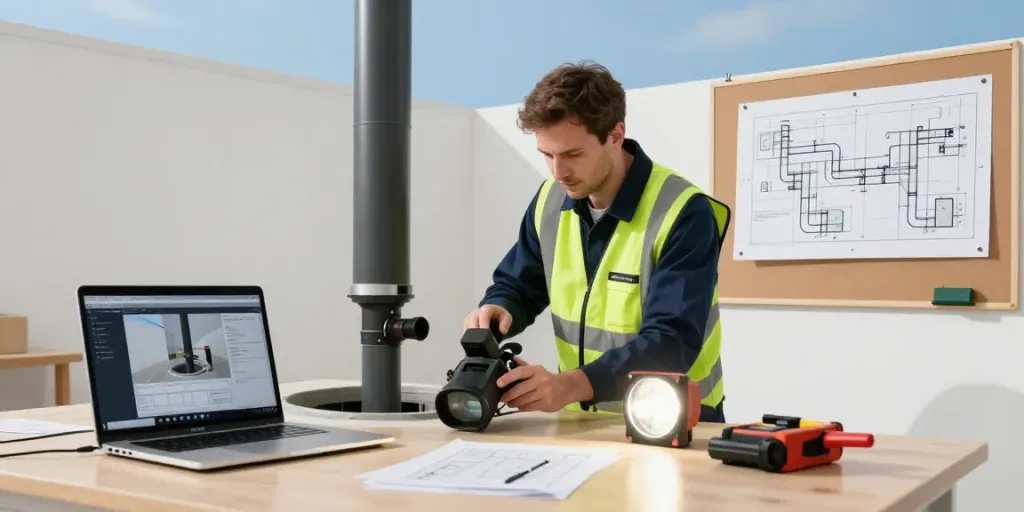
Understanding Drainage Surveys in Surrey
In the bustling regions of London and Surrey, the integrity of drainage systems is crucial for maintaining public health and infrastructure. A comprehensive understanding of drainage surveys is essential for property owners, developers, and civil engineers alike. The significance of drainage surveys cannot be overstated, as they help prevent costly repairs and substantial disruptions in urban planning and construction projects. For those looking for reliable services, Drainage Surveyors Surrey offer a gold standard in drainage inspection and assessment.
What Is a CCTV Drainage Survey?
A CCTV drainage survey is a method that utilises advanced camera technology to inspect underground drainage systems without the need for excavation. This non-invasive technique involves inserting a high-resolution camera into the drainage pipe, allowing surveyors to observe its condition in real-time. The captured footage provides valuable insights into the structural integrity of the pipes, identifying issues such as blockages, cracks, and root intrusions.
The Importance of Drainage Surveys for Property Owners
For property owners, the data derived from drainage surveys is vital. Issues like blockages or leaks can lead to serious problems, including flooding, property damage, and structural failures. Moreover, when acquiring new properties, buyers often overlook the condition of drainage systems. A CCTV drainage survey can unveil hidden issues that could result in unexpected repair costs, providing peace of mind and informed decision-making during transactions.
How Drainage Surveyors Surrey Can Help
Drainage Surveyors Surrey are equipped with the tools and expertise to conduct thorough inspections. With the ability to analyse data promptly and efficiently, they can detect problems early, preventing future complications. Their reports often include detailed visuals and technical analyses, which are crucial for making decisions about repairs or upgrades.
Key Benefits of Hiring Professional Drainage Surveyors
Identifying Potential Issues Early
One of the most significant advantages of hiring professional drainage surveyors is their ability to identify potential issues before they escalate. Regular inspections using CCTV technology enable surveyors to spot early signs of wear and tear, root growth, and other stress factors that can lead to major failures if left unchecked.
Ensuring Compliance with Local Regulations
Compliance with local regulations is paramount in the construction and property management sectors. Professional drainage surveyors stay updated on regulations and guidelines to ensure that all projects meet the necessary standards. This expertise protects property owners from legal complications that could arise from non-compliance.
Providing Detailed Reports for Decision Making
Surveyors provide detailed reports that include visual evidence and technical data, which are essential for informed decision-making. These reports typically cover the condition and layout of the drainage systems, helping property owners and developers plan necessary repairs or replacements effectively.
The Process of Conducting a CCTV Drainage Survey
Preparation and Initial Assessment
The initial phase of a CCTV drainage survey involves preparation and assessment. Surveyors review existing documentation, such as previous drainage plans, and assess the site conditions. Knowing the layout of existing systems helps in planning the most efficient surveying approach.
Conducting the Survey with Advanced Equipment
During the survey, specially designed cameras are deployed into the drainage systems. These devices often come equipped with advanced features like sonar mapping and high-definition imaging, allowing surveyors to capture minute details of the pipe's condition. The data collected is transmitted back in real-time, enabling immediate analysis.
Analyzing Data and Generating Reports
After the surveying process, the footage and data are analysed using sophisticated software like WinCan. This software not only enables the identification of issues but also assists in report generation. Reports are comprehensive, including photographs, diagrams, and recommendations for repair or maintenance.
Common Challenges Faced in Drainage Surveying
Dealing with Complex Drainage Systems
Many drainage systems, especially in urban areas, are intricate and outdated. Surveyors often encounter numerous interconnecting pipes, varying in size and material, which can complicate the surveying process. This complexity necessitates a high level of expert knowledge and experience to navigate effectively.
Addressing Accessibility Issues on Sites
Accessibility can pose significant challenges for surveyors. Many drainage systems are located beneath busy roads, buildings, or other infrastructure. Proper planning and the use of advanced technologies are crucial to overcome these challenges, ensuring that the survey can be conducted efficiently and with minimal disruption.
Ensuring Accuracy in Data Collection
Accuracy is vital in drainage surveying. Any errors in data collection can lead to incorrect diagnoses and ineffective solutions. Surveyors employ rigorous methods and tools to ensure that data is collected accurately, which is critical for maintaining the integrity of their findings.
Future Trends in Drainage Surveying Technology
Innovations in CCTV Equipment
The evolution of technology is shaping the future of drainage surveying. Innovations in CCTV camera technology, such as improved resolution and better mobility, allow for more detailed inspections. Some modern cameras are even equipped with AI algorithms that can diagnose issues automatically, further enhancing the efficiency of the process.
The Role of Software in Enhancing Drain Analysis
Software applications play a pivotal role in analysing drainage survey data. Advancements in data processing software enable faster analysis and more detailed reporting, equipping property owners with the information needed to make informed decisions quickly.
Predictions for the Industry in 2026 and Beyond
As the demand for reliable drainage systems continues to grow, the industry can expect significant advancements in both technology and methodology. Predictions suggest that by 2026, the integration of IoT (Internet of Things) devices in drainage systems will allow for real-time monitoring and maintenance notifications, significantly improving the management of drainage systems.
What is the average cost of a drainage survey?
The cost of a drainage survey can vary based on several factors, including the complexity of the systems being surveyed, the location, and the specific services required. Generally, prices can range from a few hundred to several thousand pounds. However, investing in a drainage survey can save property owners significant amounts in potential repair costs down the line.
How long does a drainage survey typically take?
The duration of a drainage survey largely depends on the size and complexity of the drainage system. Simple surveys may take a few hours, whereas larger or more intricate systems can take several days. Factors such as accessibility also play a role in determining how long a survey will take.
What are the main advantages of a drainage survey?
Drainage surveys offer numerous advantages, including identifying potential issues before they escalate, ensuring compliance with local regulations, and providing detailed reports that assist in decision-making. By uncovering hidden problems, surveys can save property owners from costly repairs and service interruptions.
What technology is used in a CCTV drainage survey?
CCTV drainage surveys utilize advanced camera systems specifically designed for inspecting underground pipes. These systems often include features such as high-resolution imaging, recording capabilities, and real-time data transmission. The use of software for analysis and reporting is also a critical component of the technology used in drainage surveys.
Why should I hire professional drainage surveyors?
Hiring professional drainage surveyors ensures that the survey is conducted using the latest technology, methods, and industry knowledge. Professionals are equipped to handle complex drainage systems, comply with relevant regulations, and produce accurate, detailed reports that facilitate informed decision-making.