
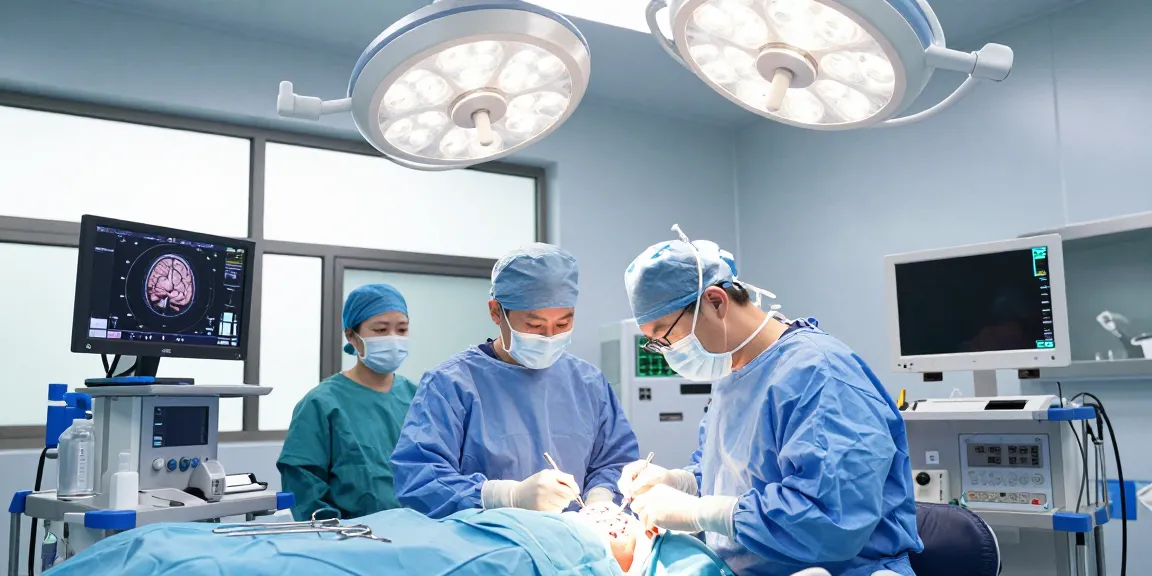
Understanding Beyin Ameliyatı: What You Need to Know
Beyin ameliyatı, neurological conditions that affect brain function, including the removal of tumors, treatment of aneurysms, and alleviation of pressure caused by hemorrhaging. Given its complexity and the critical nature of the brain, understanding the nuances of this procedure is essential. From preparation to recovery, patients and their families must be informed and ready to navigate this complex journey. When exploring options, Beyin ameliyatı provides comprehensive insights into the necessary considerations surrounding brain surgery.
What is Beyin Ameliyatı?
Beyin ameliyatı, or brain surgery, encompasses various surgical procedures aimed at treating conditions affecting the brain. These procedures can range from tumor removals and treating brain hemorrhages to managing traumatic brain injuries. Each operation's goal is to improve neurological function or prevent further complications. The types of brain surgeries are classified based on the conditions addressed and the techniques utilized.
Types of Brain Surgery Procedures
Several types of brain surgeries exist, each tailored to specific conditions:
- Beyin Tümörü Ameliyatı (Brain Tumor Surgery): Involves the removal of tumors that may be benign or malignant.
- Kapalı Beyin Tümörü Ameliyatı (Minimally Invasive Tumor Surgery): Utilizes advanced techniques to access tumors with smaller incisions.
- Beyin Kanaması Ameliyatı (Aneurysm Repair): Aims to control bleeding in the brain caused by ruptured blood vessels.
- Uyanık Beyin Ameliyatı (Awake Craniotomy): Conducted while the patient is awake to monitor brain functions in real-time.
- Dekompresif Kraniektomi: Removes a section of the skull to reduce pressure during severe brain injuries.
Who Needs Brain Surgery?
Brain surgery may be necessary for patients with various medical conditions, including:
- Brain Tumors: Patients with identified tumors that need surgical intervention due to size, location, or symptoms.
- Aneurysms: Individuals with bulging blood vessels that pose a risk of rupture and bleeding.
- Head Injuries: Patients experiencing severe trauma necessitating surgical evaluation, especially if there is bleeding.
- Hydrocephalus: A condition characterized by an accumulation of cerebrospinal fluid, requiring shunt placement or other interventions.
Preparation for Beyin Ameliyatı
Consultation with Neurologists and Neurosurgeons
Before undergoing a beyin ameliyatı, consultations with relevant specialists are critical. Neurologists evaluate the patient's neurological function, while neurosurgeons assess the surgical options available, discussing the specific procedure needed based on the patient's condition. These discussions often help clarify the procedure’s goals, potential risks, and expected outcomes.
Preoperative Assessments and Testing
Preoperative assessments involve a thorough examination, including imaging tests like MRI or CT scans to map the brain and identify abnormalities. Blood work, electrocardiograms (ECGs), and other tests may also be performed to ensure that patients are fit for surgery. Detailed evaluations help mitigate risks and prepare the surgical team for any challenges they might encounter during the procedure.
Managing Patient Expectations
Clear communication about what to expect before, during, and after surgery is crucial. Patients should understand the goals of the surgery, the recovery process, and potential complications. This preparation can significantly affect the patient's mental state and overall satisfaction with the surgical journey.
The Beyin Ameliyatı Procedure
Step-by-Step of the Surgical Process
The beyin ameliyatı process can typically be broken down into several key steps:
- Anesthesia Administration: Before surgery begins, anesthesia is administered to ensure the patient remains comfortable and pain-free.
- Making the Incision: The surgeon makes an incision in the scalp and may remove a section of the skull if necessary.
- Performing the Procedure: The surgical team addresses the specific issue, whether that be tumor removal, aneurysm clipping, or other interventions.
- Closing the Incision: After the procedure is completed, the surgeon replaces the skull portion, if removed, and sutures the incision.
- Recovery Monitoring: Immediate post-operative care takes place, often in a recovery room where the patient is closely monitored.
Common Techniques and Innovations in Neurosurgery
Modern neurosurgery employs numerous advanced techniques to improve outcomes and reduce risks:
- Neuro-navigation Systems: These systems help guide surgeons in real-time, improving precision during surgery.
- Endoscopic Techniques: Minimally invasive procedures that reduce recovery time and minimize complications.
- Awake Craniotomy: Allows for real-time feedback from the patient during critical parts of the operation, ensuring that essential brain functions are preserved.
Risks and Complications Associated with Brain Surgery
As with any surgical procedure, beyin ameliyatı carries inherent risks, including:
- Infection: The risk of infection at the surgical site or within the brain.
- Bleeding: Excessive bleeding during or after the surgery may require additional interventions.
- Neurological Deficits: Potential for temporary or permanent changes in neurological function, depending on the operation's nature.
- Seizures: Some patients may experience seizures post-operatively.
Recovery After Beyin Ameliyatı
Postoperative Care and Monitoring
Postoperative care is vital to recovery after beyin ameliyatı. Patients are usually monitored in an intensive care unit (ICU) to manage any complications swiftly. Vital signs, neurological assessments, and pain management protocols are crucial aspects of care during this period.
Physical and Occupational Therapy
Physical therapy often begins shortly after surgery to promote mobility and strength rehabilitation, while occupational therapy focuses on helping patients regain skills for daily living. These therapies are tailored to the individual’s needs and may vary based on the surgery type and patient condition.
Long-Term Prognosis and Follow-up
The long-term prognosis depends on several factors, including the nature of the surgery and the underlying condition. Regular follow-up appointments are essential for monitoring progress, addressing any ongoing issues, and making necessary adjustments to therapy or treatment plans.
Cost Considerations for Beyin Ameliyatı
Factors Influencing Surgical Costs
Costs for beyin ameliyatı can significantly vary based on factors such as the complexity of the procedure, hospital location, and whether the patient has insurance coverage. Additional costs may include pre-operative assessments, follow-up visits, and rehabilitative therapies.
Insurance Coverage and Options
Understanding insurance coverage is crucial. Many insurance plans cover brain surgery, but specifics can vary widely. Patients should verify their coverage details, including any deductibles, co-pays, and limits on allowable procedures.
Financial Planning for Patients
Creating a financial plan ahead of surgery can help manage costs effectively. Patients should consult their healthcare provider to obtain a detailed estimate of expenses and discuss options for financial assistance or payment plans if necessary.
What are the common signs that someone may need Beyin Ameliyatı?
Common signs include severe headaches, sudden changes in vision, difficulty speaking, or loss of motor skills. These symptoms may suggest the presence of a brain condition requiring surgical intervention.
How long does recovery from Beyin Ameliyatı typically take?
Recovery duration can vary. While some patients may begin feeling better within weeks, complete recovery can take several months, depending on the surgery type and individual's health status.
What are the potential risks of Beyin Ameliyatı?
Potential risks include infection, bleeding, neurological impairments, or seizure activity post-surgery. Understanding these risks allows patients to make informed decisions about their treatment.
How successful is Beyin Ameliyatı?
Success rates for beyin ameliyatı largely depend on the type of procedure performed, the patient's medical history, and the condition being treated. Advances in technology continue to improve outcomes significantly.
What innovations are shaping the future of Beyin Ameliyatı?
Innovations such as robotic-assisted surgery, enhanced imaging technologies, and new minimally invasive techniques are continuously being developed, leading to better surgical precision and patient outcomes.. Additionally, Beyin ameliyatı provides further details.